
April is not even halfway done, and India is already burning. If you have stepped outside in the last few days, you probably did not need a weather forecast to tell you that something is different this year. The heat feels sharper, it arrives earlier in the morning, and even the evenings are offering very little relief. And now, the India Meteorological Department has made it official with heatwave alerts covering more than ten states across the country.
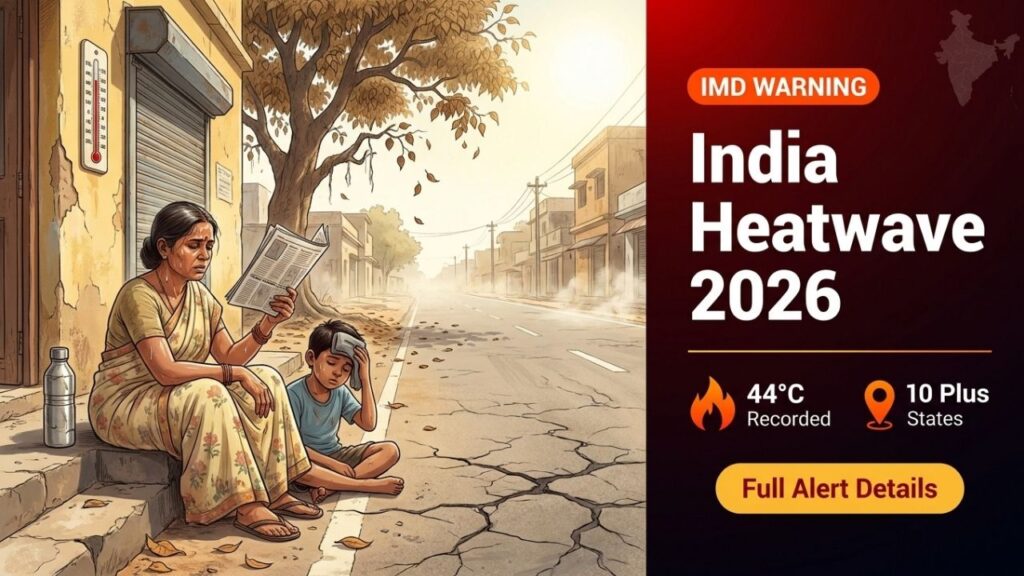
What makes this particularly alarming is the timing. Temperatures that are usually seen in late May are already being recorded in mid-April. Cities like Akola, Amravati, Wardha, and Nagpur in Maharashtra have already crossed the 44°C mark, while states like Madhya Pradesh, Odisha, Jharkhand, Telangana, Chhattisgarh, and Rajasthan are either already under active heatwave alerts or rapidly heading in that direction.
The IMD has been clear in its messaging. The next several days are critical, and conditions are expected to intensify further before any meaningful relief arrives. For millions of people who work outdoors, travel daily, or simply do not have access to air conditioning, this is not just uncomfortable news. It is a genuine health risk.
So whether you are trying to understand which states are most affected, why the heat is building so quickly this year, or simply what you should be doing right now to protect yourself and your family, this article covers everything you need to know.
What IMD Has Actually Said
Table of Contents
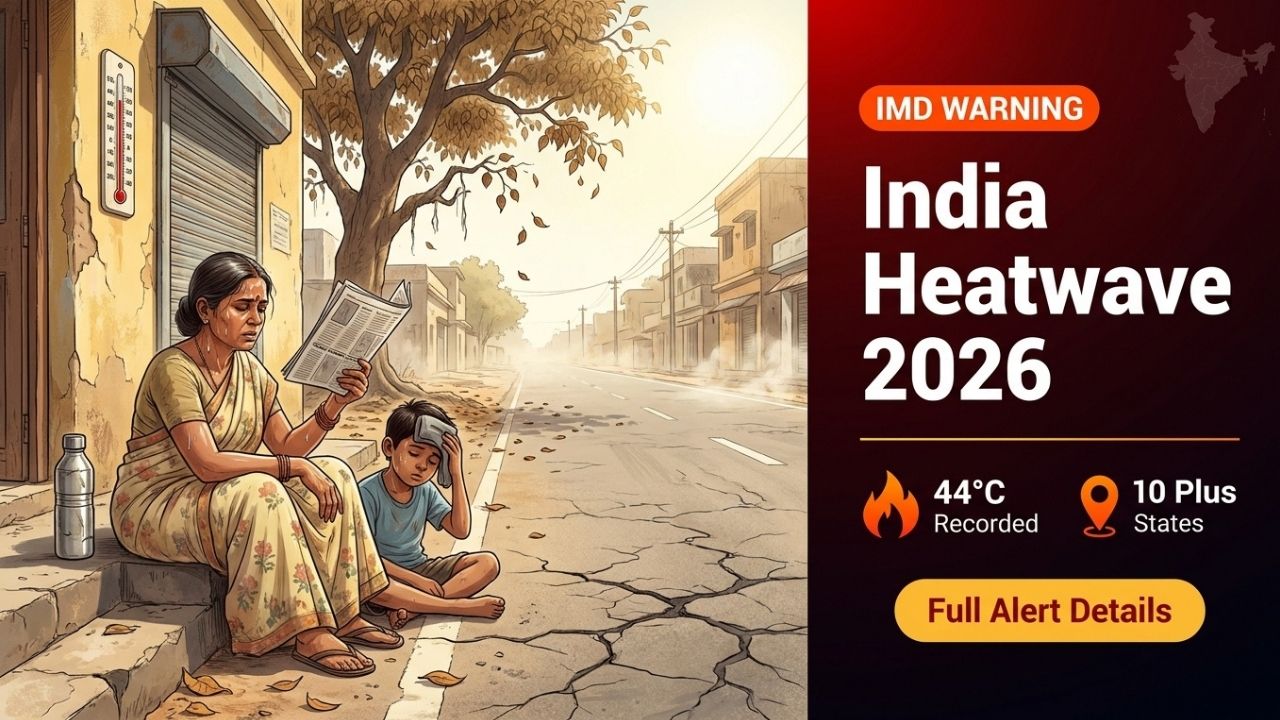
The IMD released an official heatwave bulletin on April 17, 2026, clearly stating that heatwave conditions are very likely in isolated pockets across multiple regions. According to the bulletin, the affected states and regions include Madhya Pradesh, Vidarbha, Chhattisgarh, Odisha, Jharkhand, Marathwada, Madhya Maharashtra, Rayalaseema, Telangana and parts of North Interior Karnataka. These alerts are valid across different dates stretching from April 17 to April 21.
For anyone who wants to stay updated directly, the official IMD portal is mausam.imd.gov.in, where daily bulletins and heatwave guidance are published. You can also reach IMD at 011-2434-4599.
Which Areas Are Burning the Most Right Now?
The Vidarbha region of Maharashtra is currently one of the worst affected zones in the entire country. On April 16, Akola recorded a staggering maximum temperature of 44.2°C, making it the hottest city in India for that day. Close behind were Amravati at 44°C, Wardha at 43.9°C, and Nagpur at 43.4°C. In fact, the district administration of Wardha ordered schools to remain shut because of the extreme heat conditions.
Meanwhile, cities like Bhopal, Indore, Gwalior, and Jabalpur in Madhya Pradesh are also recording temperatures well above 40°C, and the IMD has issued specific heatwave alerts for around 17 districts in the state from April 16 to April 18.
North India is Not Far Behind
While central India is currently bearing the worst of it, northern India is not getting off lightly either. Delhi-NCR is expected to cross the 40°C mark for the very first time this season, while parts of Uttar Pradesh and Rajasthan could touch 42°C to 43°C very soon. Punjab, Haryana, and western UP are also showing a clear upward temperature trend, and weather projections suggest a sharper spike is coming toward the end of this week.
Why Is the Heat Building So Fast?
The reason the temperature is climbing so rapidly comes down to a few key meteorological factors. First, there are currently no active western disturbances over the subcontinent, which means there is no system bringing rain or cloud cover to interrupt the heat. Second, dry continental winds are dominating the circulation pattern, carrying warm air from the interior toward populated zones. Third, a persistent high-pressure system is essentially acting like a lid, trapping hot air close to the surface in what experts call a heat dome effect.
Together, since these conditions are all occurring at the same time, the heat is building faster than it normally would for mid-April. Experts are also pointing out that climate change is making these early heatwaves arrive sooner, last longer, and feel more intense than in previous decades.
How Does This Compare to Recent Years?
This year’s summer is shaping up to potentially surpass even the extreme summer of 2024, which itself was a record-breaking year. The IMD has already predicted above-normal heatwave days from April through June across east, central, northwest, and southeast peninsular India, which means this is not just a short spell. It is the beginning of what could be a prolonged and intense heat season.
What Does This Mean for Daily Life?
Beyond the discomfort, there are real practical consequences. Agricultural crops like wheat, which are in a sensitive growth phase right now, are at risk from sustained high temperatures. Power demand is expected to spike sharply as households and businesses run cooling systems continuously, which could put pressure on electricity grids and lead to outages in some areas. Schools in the most affected districts are already being shut as a precautionary step.
Health Precautions You Should Follow Right Now
Since the heat is at a level where it genuinely poses health risks, taking precautions is not optional. Prolonged exposure to these temperatures can cause dehydration, heat exhaustion, and heatstroke, all of which can become serious very quickly.
Here is what health experts and the IMD advisory recommend:
- Avoid stepping out between 12 noon and 4 PM as much as possible
- Drink plenty of water and include electrolyte-rich drinks like nimbu pani or ORS
- Wear light, loose, light-coloured cotton clothing
- Keep children, elderly people, and outdoor workers especially protected
- Stay in shaded or ventilated areas during peak afternoon hours
Official IMD Portal:
Final Word
The India heatwave 2026 is here, and it is only going to intensify over the coming days. Since the IMD has already flagged over ten states with active alerts, this is a situation that deserves serious attention. Keep checking mausam.imd.gov.in for daily updates, take the health advisories seriously, and plan outdoor activities accordingly.
Stay cool, stay safe, and do not underestimate the heat this season.
For More Information Click Here